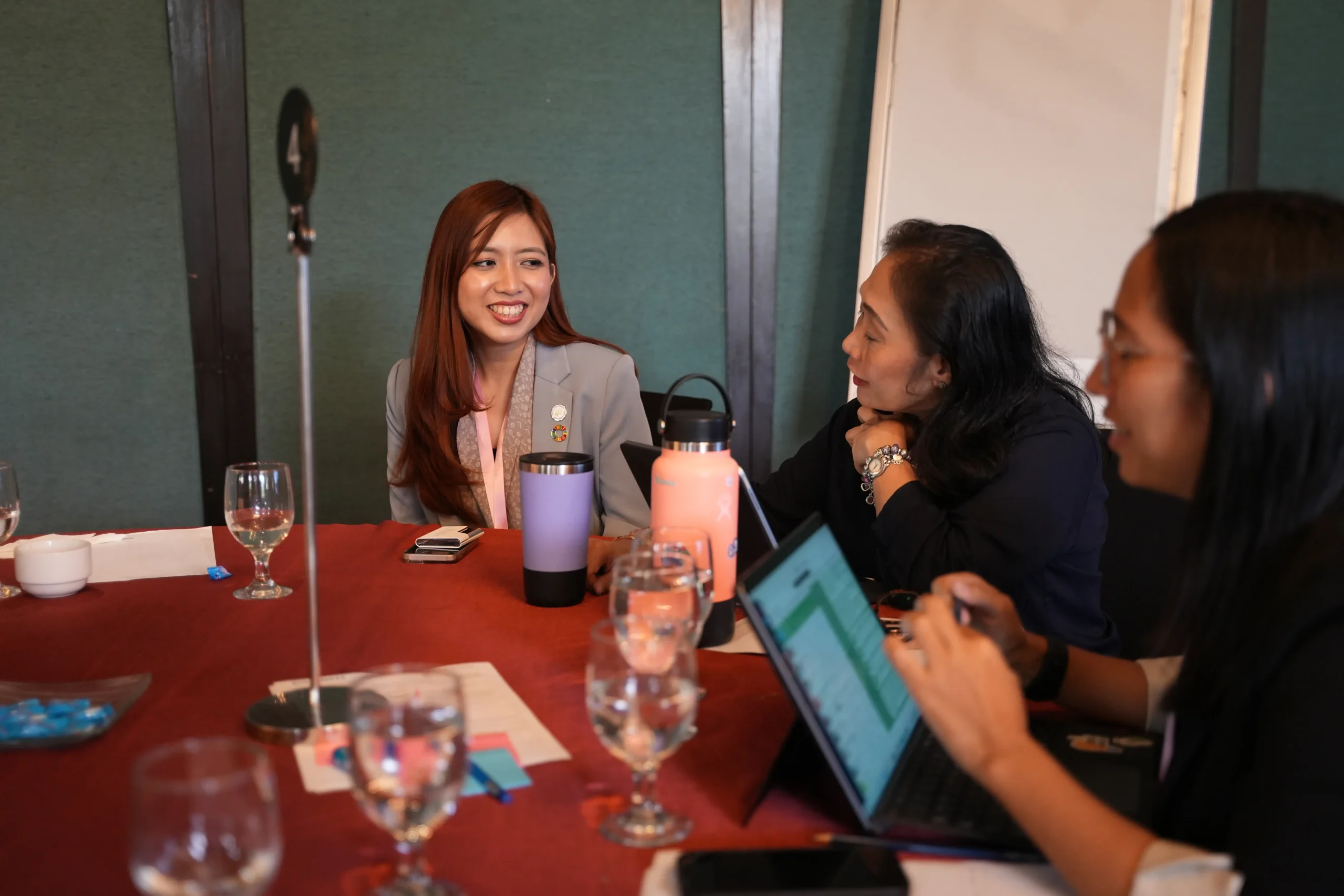
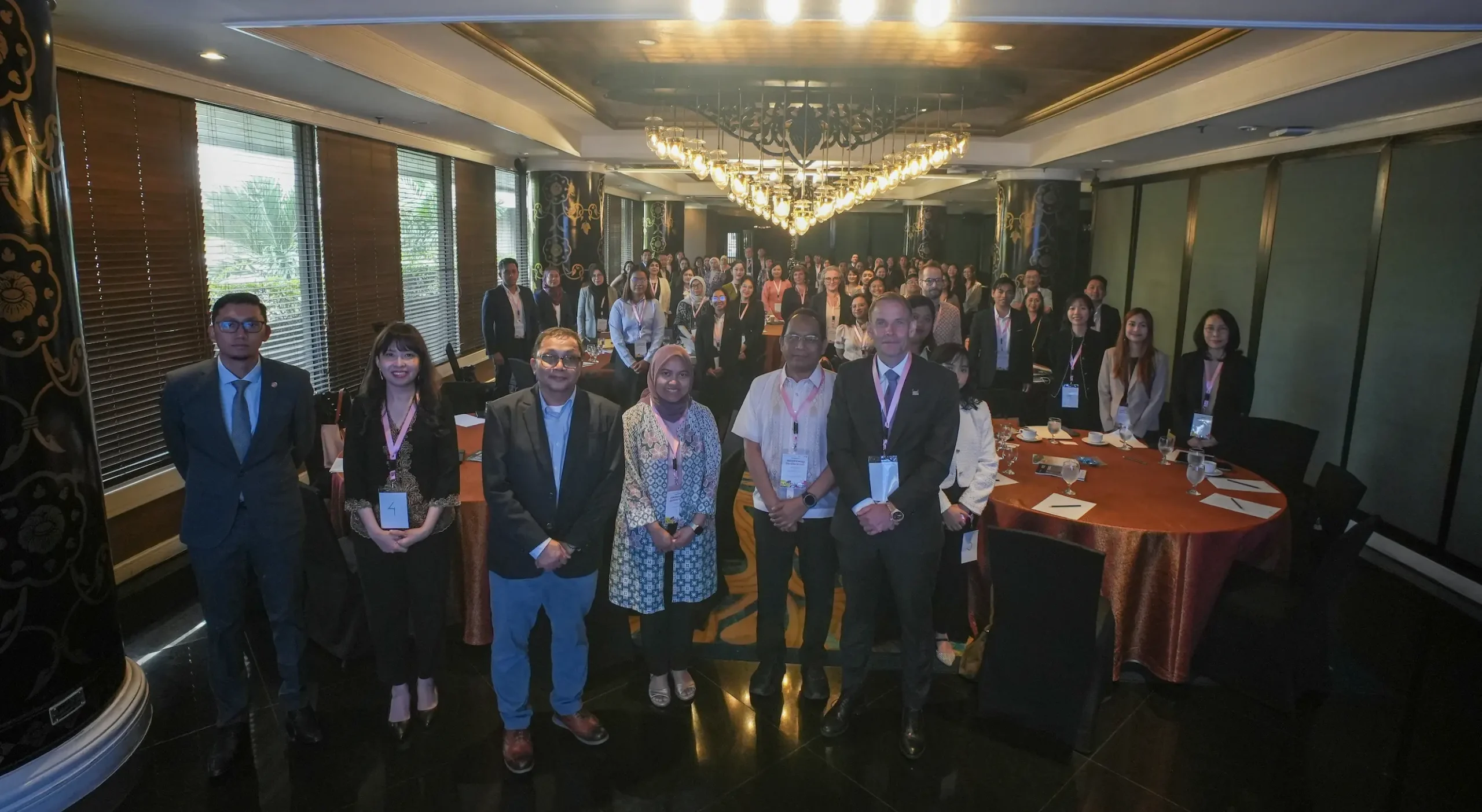
MANILA, Philippines — Amid the effects of the ongoing Middle East conflict, PNOC reaffirmed its commitment to social equity by supporting the “Just and Inclusive Energy Transition” during the ASEAN Energy Gender Week 2026 held in Manila from March 30 to April 2, 2026.
Hosted by the ASEAN Centre for Energy, the four-day summit served as a regional platform for advancing Gender Equality, Disability, and Social Inclusion (GEDSI) within Southeast Asia’s evolving energy landscape. Representing the company was PNOC Gender and Development Focal Point System (GFPS) Technical Working Group Chairperson Maria Terrisa A. Tripulca, who joined energy leaders from ASEAN member states in promoting workforce diversity as a pillar of national energy security.
A key focus of the event was the Just and Inclusive Energy Transition (JIET), a policy framework integrated into the ASEAN Plan of Action for Energy Cooperation (APAEC) 2026–2030. The regional roadmap seeks to ensure that the transition toward cleaner energy sources remains equitable and does not leave vulnerable sectors behind.
As the Philippines chairs the ASEAN this year, PNOC’s participation in the Summit forms part of its broader efforts to strengthen gender-responsive initiatives and align its corporate roadmap with evolving regional standards on inclusivity, workforce development, and sustainable organizational practices.
Recognizing that the energy transition must be both socially transformative and technically sound, the event emphasized the need to move beyond policy discussions toward practical implementation. Through its participation in the technical sessions, PNOC explored context-appropriate approaches to integrating GEDSI principles into the mandates and operations of government-owned and controlled corporations (GOCCs).
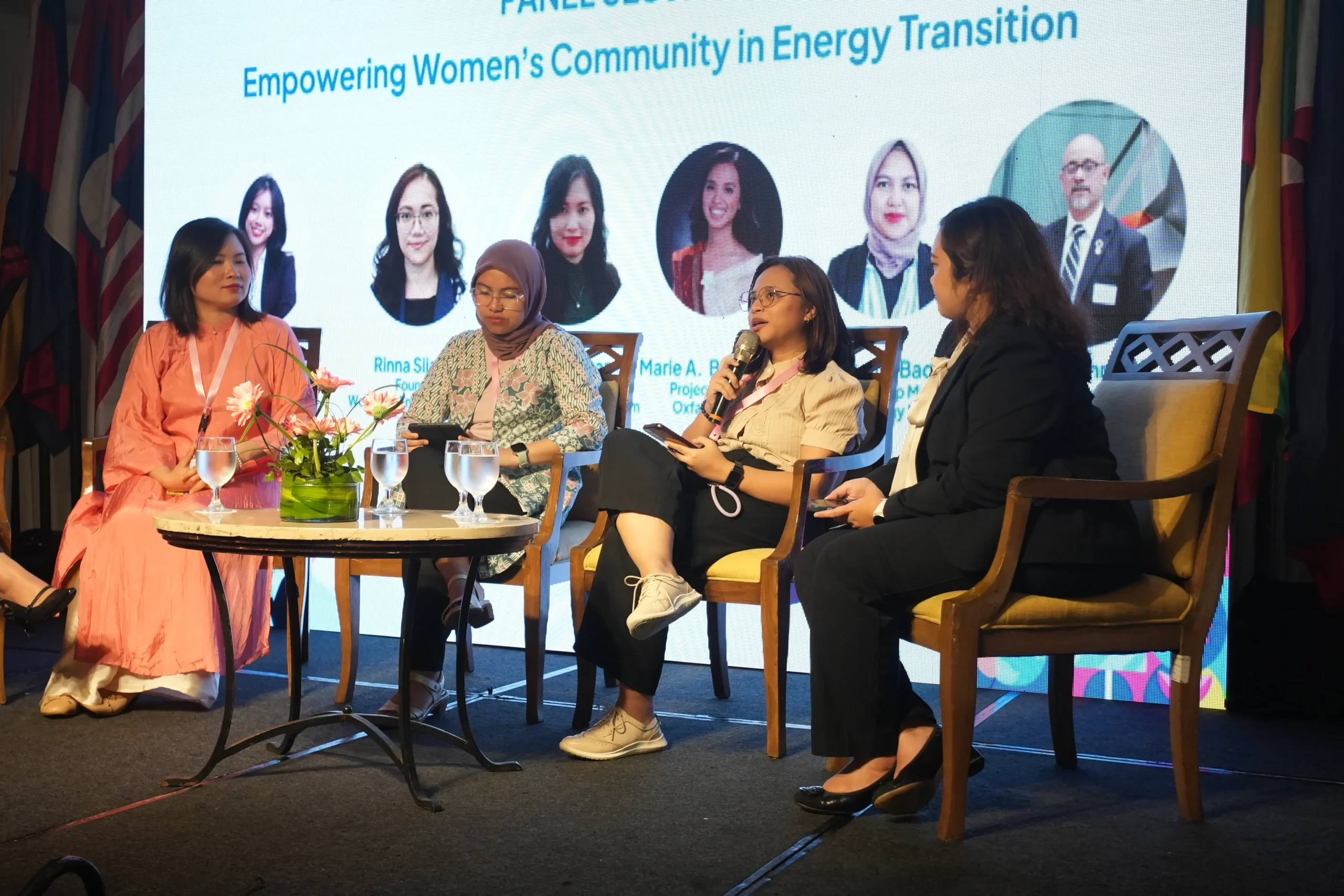
The summit concluded with a Shared Declaration of Intent, providing participants an opportunity to voluntarily commit to advancing inclusivity in the energy sector.
Through PNOC’s participation in the Summit, the company reaffirmed its commitment to sustain multilateral collaboration and advance the meaningful inclusion of women, youth, and other underrepresented sectors in future energy engagements. The participation likewise strengthened PNOC’s internal capacity, enabled the exchange of global best practices, and deepened its understanding of social inclusion within technical and operational contexts.
Most importantly, the Summit created valuable opportunities for strategic networking and partnership-building, opening pathways for potential collaboration with local and international stakeholders in advancing PNOC’s energy projects and initiatives.
By participating in regional initiatives such as ASEAN Energy Gender Week, PNOC continues to strengthen its role as a socially responsible leader in the Philippine energy sector.